

Best Materials for Rustic Farmhouse Decor
Table of Contents
- Natural and Organic Materials for Rustic Farmhouse Decor
- Wood: Reclaimed, Distressed, and Exposed Finishes
- Stone and Hard Materials in Farmhouse Design
- Farmhouse Metal Decor: Iron and Black Metal Accents
- Farmhouse Decorating Fabrics: Linen, Cotton, and Textured Textiles
- Farmhouse Decor Ideas on a Budget: Material Alternatives and Cost Strategies
- Material Selection by Room and Use: Durability and Maintenance
- Rustic Versus Modern Farmhouse: Material Palette and Styling
- Frequently Asked Questions
Last Updated: October 12, 2026
Natural and Organic Materials for Rustic Farmhouse Decor
The foundation of rustic farmhouse decor rests on natural and organic materials that bring authenticity and warmth to any space. Wood, stone, metal, and natural textiles create the layered, lived-in aesthetic that defines the style.
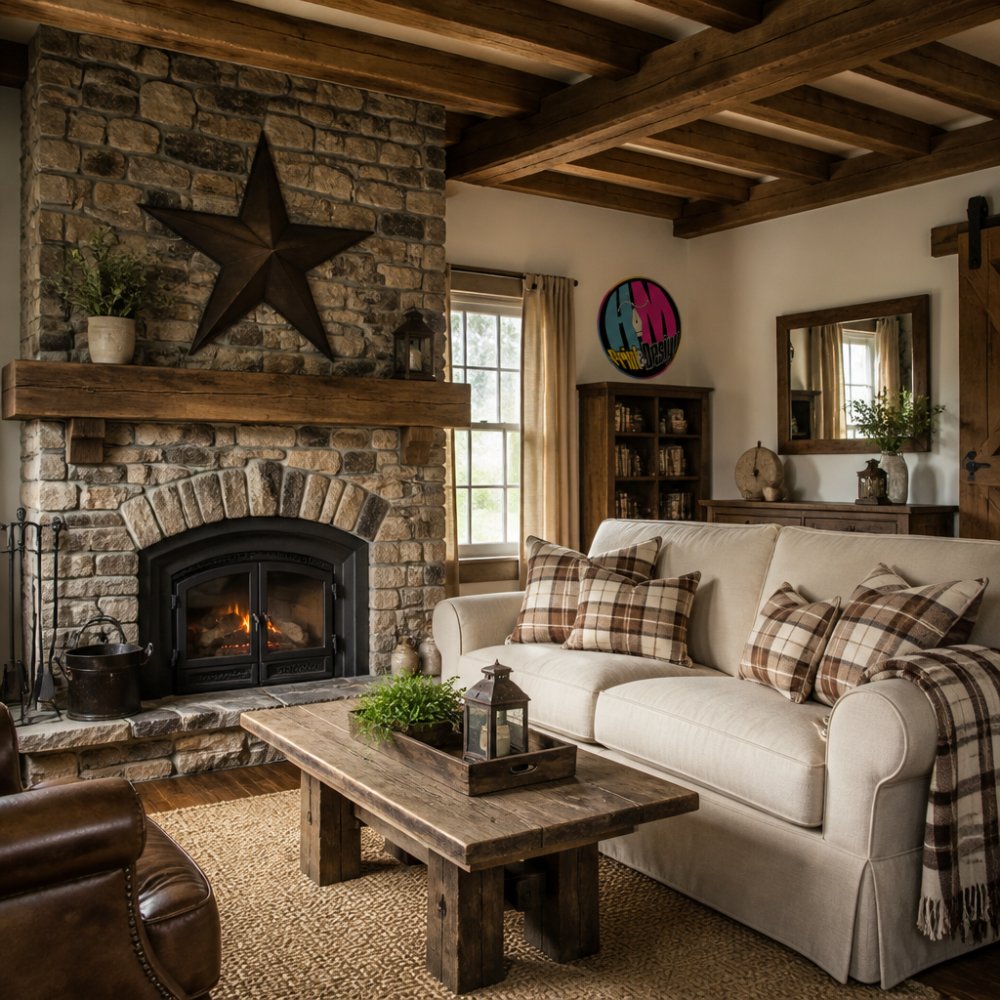
What makes rustic farmhouse decor work is texture: raw surfaces, visible grain, distressed finishes, and weathered edges.
Start by identifying your core materials: one primary wood tone, one stone or hard material, one metal finish, and 2-3 fabric textures. Then layer accessories that echo those materials throughout the space for visual coherence without sterility.
Wood: Reclaimed, Distressed, and Exposed Finishes
Wood is the backbone of rustic farmhouse decor, thriving on visible elements like beams, shiplap, mantels, flooring, and custom signage. But not all wood finishes work equally well, the difference between reclaimed, distressed, and exposed wood shapes how a room feels.
Reclaimed and Salvaged Wood
Reclaimed wood carries genuine history. Pulled from old barns, factories, or buildings slated for demolition, each board bears marks from its previous life, nail holes, saw marks, weathering, color variation.
Reclaimed wood works best as a statement element: an accent wall, fireplace surround, mantel shelf, or custom signage. Its cost makes it impractical for large surfaces like flooring, but a single focal point elevates an entire room.
One critical consideration: sourcing and safety. Reclaimed wood from very old structures may contain lead paint, asbestos, or other hazards. Reputable suppliers test and document their material; when sourcing yourself, verify its origin and have it inspected if you're uncertain about previous treatments.
Distressed and Exposed Wood
Distressed wood mimics age through intentional finishing: hand-sanding, wire brushing, staining, and sometimes deliberate denting. It's not reclaimed, but it captures the aesthetic at a fraction of the cost.
Exposed wood beams, original or added, create instant farmhouse character, drawing the eye upward and adding architectural interest in both rustic and modern settings. Exposed shiplap has become synonymous with the style, though it works best as an accent wall rather than covering an entire room.
The advantage of distressed finishes is flexibility: source new wood and finish it to match your palette, or customize pieces to exact dimensions. The Farmhouse Poplar Wood Floating Fireplace Mantel from HM Print & Design LLC exemplifies this, solid American West poplar finished by hand in eight options including Aged Oak, Dark Chocolate, and Walnut.

Durability varies by finish type. A single coat of polyurethane protects the wood while maintaining the rustic aesthetic, avoiding the high-gloss look that contradicts farmhouse style. This matters most in kitchens and bathrooms.
Stone and Hard Materials in Farmhouse Design
Stone grounds a space and adds weight and permanence. Fireplace surrounds, accent walls, flooring, and countertops in stone create a solidity and age newer materials cannot replicate.
Common stone choices include limestone, slate, fieldstone, and stacked stone.
Stone works best as a focal point, a fireplace surround, kitchen backsplash, or accent wall, rather than covering entire rooms.
Maintenance differs by stone type. Limestone is porous and requires sealing to resist staining. Slate is more durable but can be slippery on floors. Fieldstone's irregular surface is forgiving of wear but harder to clean.
Farmhouse Metal Decor: Iron and Black Metal Accents
Metal accents provide contrast and visual interest in farmhouse spaces. Iron and black metal, not shiny chrome or brushed nickel, define the aesthetic.
Black iron appears in hardware, light fixtures, door hinges, decorative brackets, and wall art. The Metal Barn Star from HM Print & Design LLC starts at just $3.00 and comes in sizes from 3.5 to 48 inches.

Iron hardware on cabinets, doors, and furniture grounds the style. Ornamental metal gates, plant stands, or wall-mounted shelving add function and character. Choose metal with patina or distressing, aged finishes that suggest time rather than newness.
Galvanized metal, with its silvery-gray finish and rust undertones, also fits farmhouse decor well, appearing in buckets, light fixtures, and decorative elements. The contrast between galvanized and black iron creates visual interest without clashing.
Farmhouse Decorating Fabrics: Linen, Cotton, and Textured Textiles
Soft furnishings, upholstery, curtains, bedding, throw pillows, introduce color, pattern, and comfort to farmhouse spaces. The right fabrics anchor the style and add warmth.
Linen and cotton are the primary fabrics in farmhouse design. Both are natural, breathable, and age beautifully. Linen wrinkles naturally, suiting the imperfect aesthetic; cotton offers more variety in weave and finish. Together they create a relaxed, lived-in feel synthetic fabrics cannot achieve.
Neutral colors dominate: cream, off-white, soft gray, warm beige, and pale green. These provide a calm backdrop for accent colors, muted blues, warm terracottas, or sage greens. Avoid bright or saturated colors; farmhouse style favors soft, earthy tones.
Checks, Gingham, Ticking Stripes, and Plaid Patterns
Pattern in farmhouse fabrics is subtle and traditional. Gingham checks, ticking stripes, buffalo checks, and plaid appear on pillows, curtains, table runners, and upholstery, small-scale and restrained, not bold or graphic.
Ticking stripe is particularly iconic in farmhouse design. The narrow, even stripes in cream and gray or cream and navy create rhythm without overwhelming a space.
Pattern mixing is acceptable in farmhouse design, but requires restraint. Pair a ticking stripe with a small gingham, or mix two plaids in coordinating colors.
Woven textures, jute, sisal, wicker, add tactile interest without pattern. A jute rug grounds a room, wicker baskets provide storage and texture, and woven throws drape over sofas and chairs.
Farmhouse Decor Ideas on a Budget: Material Alternatives and Cost Strategies
Authentic rustic farmhouse decor doesn't require unlimited spending. Strategic choices and material alternatives deliver the aesthetic at accessible price points.
Start with what you have.
Reclaimed wood alternatives abound. The Personalized Rustic Ladder Signs from HM Print & Design LLC cost just $24.95 and bring farmhouse character through engraved (not vinyl) detail and distressed finishes.
Stone alternatives include peel-and-stick veneers, painted finishes that mimic stone texture, or strategic use of real stone as an accent rather than covering large areas.
Metal accents are affordable. Thrift stores, flea markets, and online marketplaces offer vintage metal pieces, gates, brackets, and decorative items at low cost.
Fabric budgets stretch through layering.
DIY finishing techniques reduce costs. Hand-distressing new wood with sandpaper and stain creates aged character. Painting techniques, dry brushing, color washing, glazing, add depth and variation to flat surfaces.
Material Selection by Room and Use: Durability and Maintenance
Different rooms demand different material choices. High-traffic areas and wet spaces require durability that casual-use rooms don't.
Kitchen: Stone or tile countertops resist stains and heat better than wood. The Stove Top Noodle Board from HM Print & Design LLC at $75.00 solves the challenge of covering burners while adding decor, hand-carved with durable polyurethane finish and custom stain options that protect without glossiness.

Bathroom: Stone tile or sealed stone handles moisture well. Avoid unsealed wood in bathrooms; moisture causes warping and rot. Metal fixtures with patina or distressing hold up to daily use.
Living Room and Bedrooms: These spaces tolerate more delicate materials. Reclaimed wood accents, exposed beams, and natural textiles work well.
Entryway and Mudroom: High-traffic areas need durable materials. Sealed wood flooring, tile, or concrete work better than delicate finishes. Metal hooks and hardware tolerate heavy use.
Maintenance expectations vary. Distressed and reclaimed wood require occasional dusting and resealing. Stone needs sealing every 1-3 years depending on type and use.
Rustic Versus Modern Farmhouse: Material Palette and Styling
Rustic farmhouse and modern farmhouse are related but distinct. Understanding the difference shapes material choices.
Rustic farmhouse emphasizes age, history, and genuine vintage elements.
Modern farmhouse strips the style to its essentials, blending farmhouse warmth with contemporary minimalism.
The material differences are subtle but important. Rustic farmhouse tolerates mixing wood tones and metal finishes; modern farmhouse demands consistency.
Your material choices should align with your home's architecture and lifestyle. A 1920s farmhouse naturally suits rustic styling; a 2010s suburban home suits modern farmhouse.
| Material | Rustic Farmhouse | Modern Farmhouse | Best Use |
|---|---|---|---|
| Wood | Reclaimed, heavily distressed, mixed tones | New or lightly distressed, consistent tones | Focal points in rustic; accents in modern |
| Stone | Fieldstone, stacked, irregular | Smooth, honed, consistent | Fireplaces and accents in both styles |
| Metal | Iron, black, heavy patina | Galvanized, minimal ornamentation | Hardware and fixtures in both |
| Textiles | Linen, cotton, bold patterns, layered | Linen, cotton, neutral, minimal patterns | Upholstery and soft furnishings |
| Color Palette | Warm browns, deep grays, rich tones | Soft whites, pale grays, muted tones | Overall room aesthetic |
Creating authentic rustic farmhouse decor means choosing materials intentionally and understanding how they work together. Natural materials, wood, stone, metal, and textiles, form the foundation.
At HM Print & Design LLC, we help bring these material choices to life through custom signage, personalized decor, and hand-crafted pieces that complement your farmhouse aesthetic. From Custom Designed engraved or 3D carved signs starting at $15.30 to hand-carved Stove Top Noodle Boards at $75.00, each piece is designed to add distinctive character to your space. Shop by Category to explore how custom decor elevates your rustic farmhouse home.
Frequently Asked Questions
What materials are commonly used in rustic farmhouse decor?
Rustic farmhouse decor relies on natural and organic materials including reclaimed wood, stone, wrought iron, and natural fabrics like linen and cotton. Wood is the foundation, whether exposed beams, distressed finishes, or reclaimed barn siding. Metal accents like black iron and vintage barn stars add character. Neutral color palettes with warm earthy tones, combined with patterned textiles such as gingham and ticking stripes, complete the aesthetic. These materials work together to create a cohesive, lived-in look that feels both warm and authentic.
What type of wood works best for farmhouse decor?
Poplar, pine, and reclaimed wood are ideal for farmhouse decor. Poplar has a tight, consistent grain that takes paint and stain evenly, delivering a high-end handcrafted look at lower cost. Reclaimed wood adds genuine history and character, while distressed finishes create an aged appearance without the price tag of true salvage. Exposed wood beams and shiplap walls are farmhouse staples. The Farmhouse Poplar Wood Floating Fireplace Mantel ($175) exemplifies this approach, solid American West poplar finished by hand in eight options like Aged Oak, Dark Chocolate, and Ash Gray, creating an authentic focal point.
How do you mix wood and metal in farmhouse decor?
Balance wood and metal by using metal as an accent, not the dominant material. Wrought iron hardware, black metal brackets, and vintage-style metal accents complement natural wood without overwhelming the space. Metal barn stars, like the Metal Barn Star available in sizes from 3.5 to 48 inches ($3), work as focal points on wood-paneled walls. Pair distressed wood shelving with iron supports, or combine reclaimed wood mantels with black metal sconces. The key is proportion: let wood remain the primary material while metal adds visual interest and rustic authenticity through strategic placement.
What fabrics work best for farmhouse-style decorating?
Natural, durable fabrics define farmhouse style. Linen and cotton are the top choices, they're breathable, washable, and age beautifully. Grain sack fabric, originally used for flour and feed storage, adds authentic country character. Patterned textiles like buffalo check, gingham, ticking stripes, and plaid introduce visual warmth without clashing with neutral walls. Layer these fabrics through throw pillows, curtains, and upholstery. Woven textures like jute and wicker baskets add depth. Stick to soft neutrals, creams, beiges, warm whites, with occasional green accents or warm browns to maintain the cohesive, inviting farmhouse atmosphere.
How can I create farmhouse decor on a budget?
Start with affordable wood pieces: a hand-crafted Personalized Rustic Ladder Sign ($24.95) or Custom Designed Engraved Sign ($15.30) delivers authentic farmhouse character without breaking the bank. Paint existing furniture distressed finishes using affordable spray enamel. Choose budget-friendly fabrics like cotton and linen instead of specialty textiles. Metal accents like barn stars ($3 starting price) are inexpensive but impactful. Layer vintage finds, thrift-store textiles, and DIY projects. Focus spending on statement pieces like a quality mantel or personalized sign, then fill around them with affordable natural materials. Reclaimed wood alternatives and budget-friendly stains achieve the aged look without salvage costs.